
From Wound to Healing
A few days ago, I “happened” to come across this article about Men and the Wound of Motherhood. Although it was written from a heterosexual perspective, it still resonated with me as a gay man.
In the run-up to the new The Gay Soul Series I wondered what this would be like for gay men. Curious, I decided to look into it. You'll find the links to the articles I found at the bottom of this page.
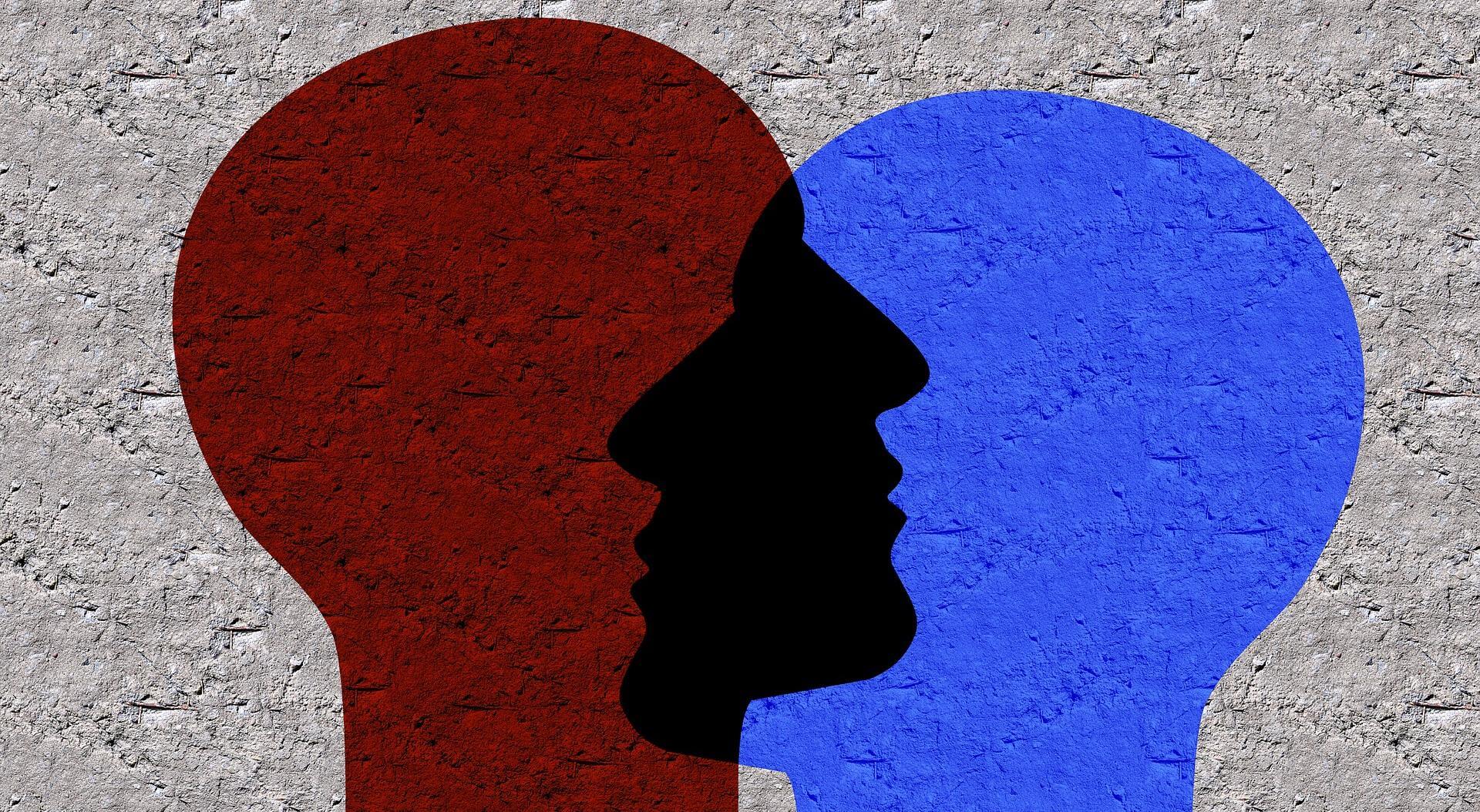
Mother's Wound

We are born from our mother; she is the first person with whom we form a bond. Yet the birth process is often a traumatic experience, and sometimes things can go wrong even in that first connection with your mother. If your mother is not fully available—physically and/or emotionally—you, as a baby, cannot fully make the movement toward her. As a result, the connection is not fully established. In therapy, this is called the “interrupted movement.”
Even if your mother is lovingly present during and after your birth, your early years are also crucial for forming bonds. If your mother is primarily focused on herself and her own needs during that time, the bond with you as a child can still be disrupted. Either she gives you too little attention, or she claims you for her own needs. As a result, as a child, you adapt yourself just to get her love, but you never receive it fully and unconditionally.
The "mother wound" is considered an emotional wound in a child, resulting from a significant disruption in the bond with the mother. It is important for both heterosexual and gay men to heal this mother wound.
How did I experience that childhood trauma?
My grandmother died of a heart condition when my mother was 9. When she was 11, my mother was diagnosed with a brain tumor, and she barely survived the surgery. So death became a theme in her life very early on.
And so she was soon deprived of her mother’s love. Perhaps she unconsciously internalized the messages “I won’t let anyone die again” and “if I love someone unconditionally, that person will leave (die).”
As a result, she’s very demanding of the family—and especially of me, as the youngest child and her only son. She does show love, but always on her own terms. She’s also often sick, and when she is, she wants to be taken care of. So from a young age, I had to put my own needs aside and be there for her, instead of her being there for me.
Father's Wound
So what about your father? What is his role in your connection with him as a child? Ideally, your father comes into the picture fairly quickly after a connection—whether complete or incomplete—was established with your mother. Your father can also take on this loving role so that a connection can still be formed.
Your father’s role is to help you, as his son, take your first steps into the world and to support you along the way. If your father focuses his attention elsewhere and is physically and/or emotionally absent, you, as his child, take a back seat. As a result, he is not fulfilling his role as a father.
The "father wound" is considered an emotional wound in a child, resulting from a significant absence of the father. Healing this wound is essential for both heterosexual and gay men.
How did I experience that childhood trauma?
My great-grandfather—my father’s grandfather—died at a young age in a workplace accident. As a result, my grandfather, who was 17 or 18 at the time, became the “head of the household” and the sole breadwinner. So, at that crucial age, my grandfather had to cope with the loss of his father, who could have shown him the ropes of the world. This created a break in the male lineage, preventing my grandfather from providing that support to my father, and in turn, preventing my father from passing it on to me.
My father was often at work, while my mother, as a homemaker, was usually at home. Sometimes I had to take on my father’s role in the family because he was unable to do so or chose not to. In therapy, this is called parentification.
Gay wound
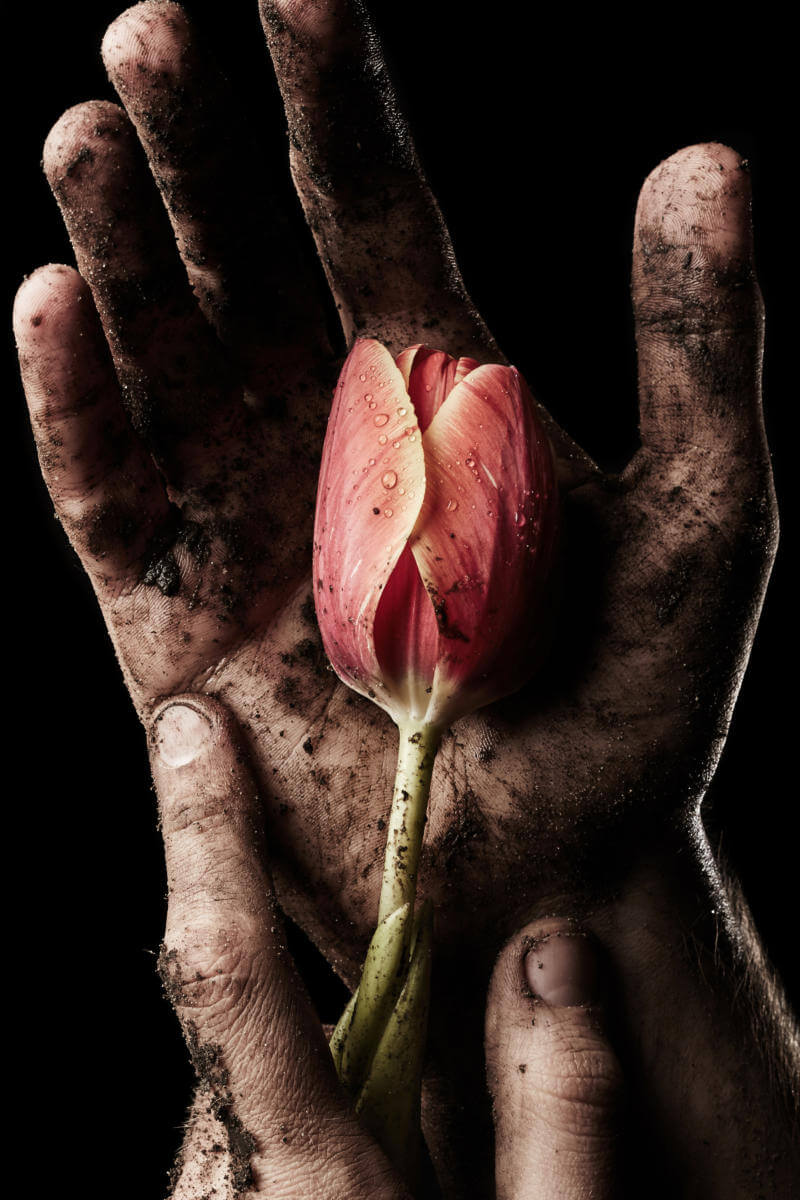
For gay men, the “father wound” is more specific. They often lack their father’s support as they take what may be their most important step in life: coming out. As a result, they’re left to face it alone—or they don’t take that step at all.
As a gay man, it’s a lonely struggle to have to face countless rejections and prejudices without support or connection. For example, homosexuality is often viewed as unmanly and unnatural in our “straight” society.
The "gay wound" stems from a profound rejection of the gay man by "straight" society and, in some cases, also by his father and/or mother.
To avoid feeling the pain of the "mother wound," the "father wound," and the "gay wound," many gay men run away from their feelings. They lose themselves in alcohol, drugs, and/or sex, among other things.
How did I experience that gay wound?
When I came out, my parents were quite shocked. My mother, in particular, was visibly upset. My father seemed fairly indifferent. Although, years later, it turned out that he had a harder time dealing with it than my mother did. However, my father rarely shows his emotions, so he didn’t show them then either.
Of course, just like most gay men, I had to battle prejudice and rejection. The usual insults and other forms of discrimination came up now and then. At one point in my life, I, too, turned to alcohol, drugs, and sex as an escape.
Fortunately, I soon realized that this wasn’t going to take the pain away. On the contrary, the rebound got worse each time. As a result, I eventually began my personal development and self-awareness journey, which allowed me to heal my gay wound.
Gay conversion therapy
The Gay Soul Series aims to help you embrace your own strength and vulnerability in intimacy, sexuality, and relationships.


