
Triggers
Every relationship—whether it’s a family relationship, a friendship, a work relationship, or, in particular, a romantic relationship—will sooner or later trigger old emotional wounds. The other person says or does something that unconsciously brings up an old source of pain.
For example: the other person keeps leaving doors open, forcing you to close them over and over again. You find yourself back in an old pattern where, as a child, you always had to please your mother or father and be there for them instead of the other way around. You had to “earn” their love by doing all kinds of chores or completing tasks.
Based on this pain and your own wounded inner child, you’ll then react to the other person. That person, in turn, will also tap into their own wounded inner child and react from that place. This creates a snowball effect, and before you know it, you’re both reacting from your old wounds like two hurt and indignant children. The adults you normally are have temporarily disappeared, and accusations are hurled at each other, or you distance yourselves from one another.
Awareness

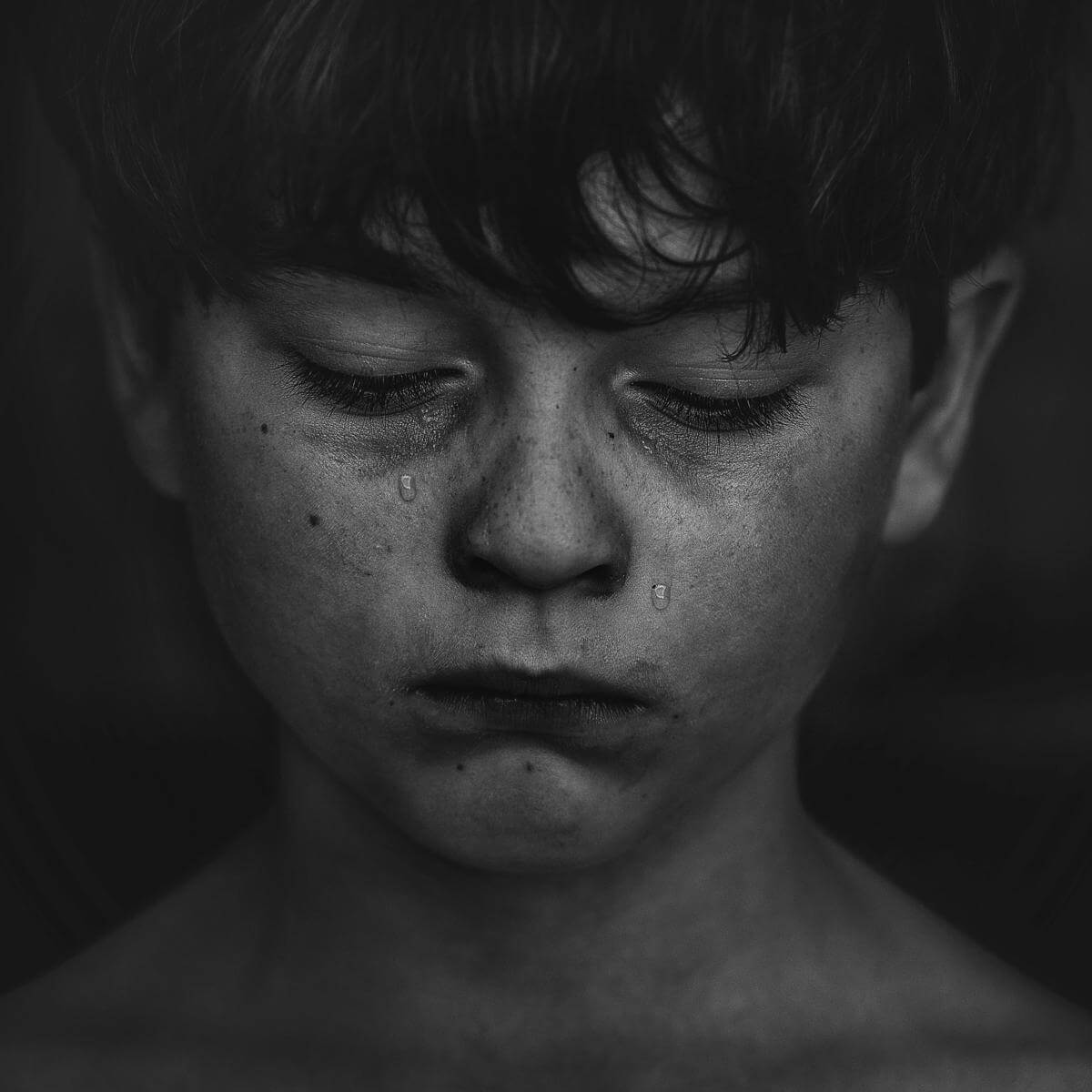
If you have little or no awareness of your emotional wounds, your patterns and coping mechanisms that developed during your childhood (the “wounded child” part of you), and the triggers that cause you to slip back into that state, it’s difficult to stay in your adult self and respond from that place.
You feel hurt, unheard, unseen, and misunderstood. Just as you might have felt with your parents when you were a child?
Recovery
Healing begins the moment you recognize or acknowledge those old wounds and patterns, allowing you to see that what’s happening in the present is bringing something from the past to the surface. As an adult, you have a choice: you can go along with that old script and follow your old, familiar path (e.g., disconnecting, shutting yourself off, and protecting yourself, …) or you can set out on a new path, even if you don’t yet know what that path looks like. The path is created only by walking it. As a child, you had no choice and had to protect yourself by developing all kinds of patterns and survival mechanisms.
Personal Responsibility

If, as an adult, you can choose the new path of connection, then you acknowledge what is truly happening within you. You speak and live your own truth with openness, honesty, and sincerity, allowing your authenticity to shine through. You take responsibility for your part in the conflict and leave the other person’s part with them. That is their responsibility, not yours!
If you did end up reacting out of that old pain and your wounded inner child—because that can happen in the blink of an eye—don’t be afraid to say you’re sorry for it and to restore the connection with the other person. What are your needs and where are your boundaries in that moment? Express them to the other person and also ask what his or her needs and boundaries are. That way, you can negotiate and find what feels right for both of you.
Your Own Path
What decisions have you made about life? What beliefs about yourself and life did you form back then? Are those beliefs still getting in the way of living your life the way you really want to? As an adult man or woman, you often still have to deal with the influence of your inner child.
In the adult growth workshop *Your Own Wise Path*, you—as the adult you are today—connect with the child within yourself in an intensive and playful way. By rediscovering this child, you may realize that part of your current life is still shaped by experiences from your childhood. You’ll learn how to walk your own unique path as an adult so that you no longer let the patterns and survival mechanisms from your childhood dictate how you live—or merely survive.